What Is Rahu Ketu? Meaning, Effects and Importance in Vedic Astrology
- ✓ Rahu and Ketu are important points in Vedic astrology known as shadow planets.
- ✓ Rahu is associated with desire, ambition, material growth, foreign influence and sudden changes.
- ✓ Ketu represents detachment, spirituality, intuition and inner growth.
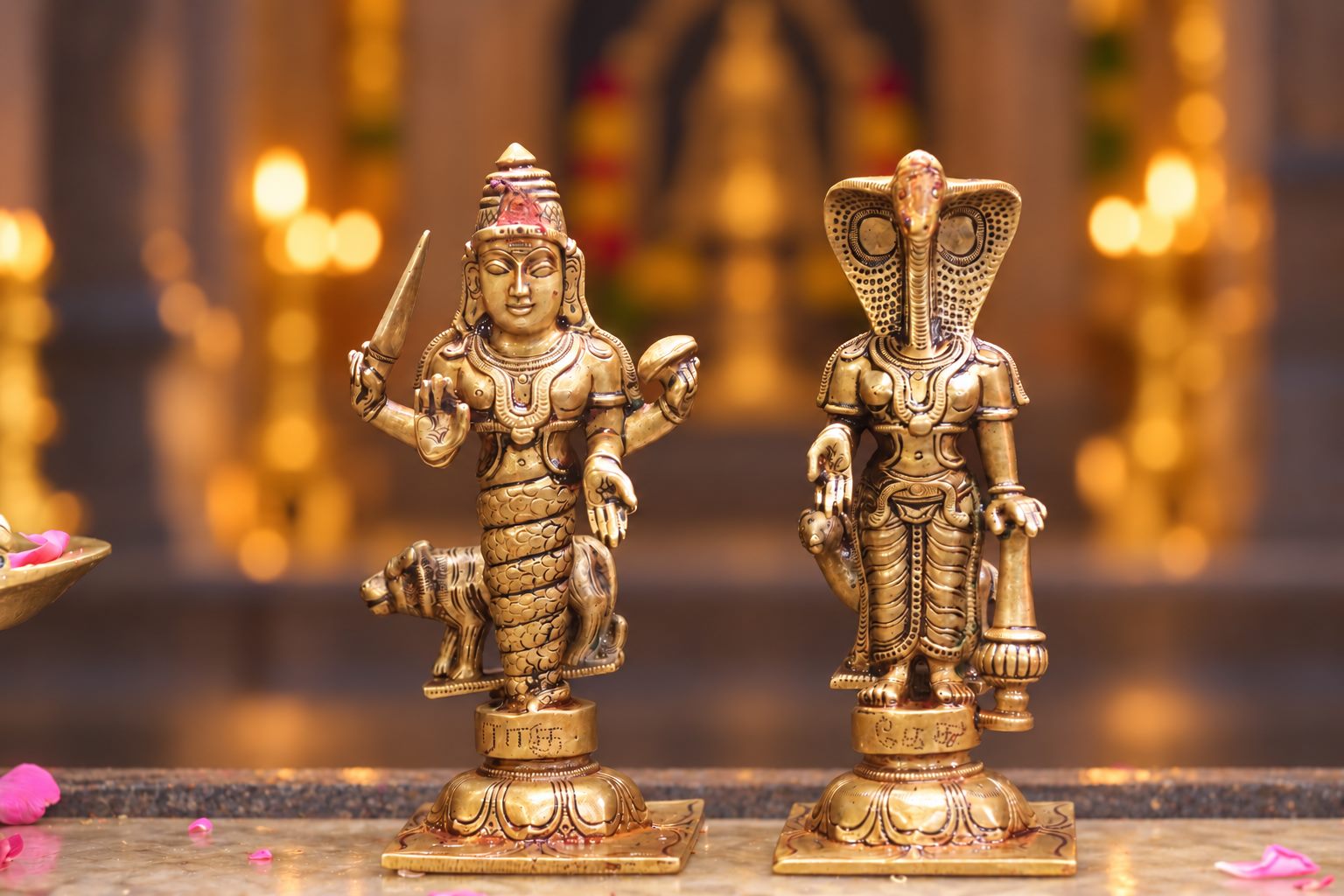
What Is Rahu Ketu in 30 seconds: Rahu (North Lunar Node) and Ketu (South Lunar Node) are shadow planets in Vedic astrology — mathematical eclipse points, not physical planets. Rahu drives ambition, career, foreign chances and sudden growth; Ketu drives spirituality, intuition and detachment. They sit opposite each other (Rahu-Ketu axis), stay ~18 months per sign, and shape career, marriage, money and major life changes as per your full birth chart. Personal reading: +91 89256 62492.
Vedic Astrology Guide
What Are Rahu and Ketu?
Direct Answer: Rahu is the North Lunar Node and Ketu is the South Lunar Node. They are not physical planets but mathematical points where the Moon's path crosses the Sun's path. Rahu and Ketu always remain exactly opposite each other in a horoscope, so astrologers study them together as the Rahu-Ketu axis.
Think of them like two ends of one stick. Wherever Rahu sits in your chart, Ketu sits seven houses away. Because of this, they are always read as a pair — one shows where you reach out for new experiences, and the other shows where you naturally let go.
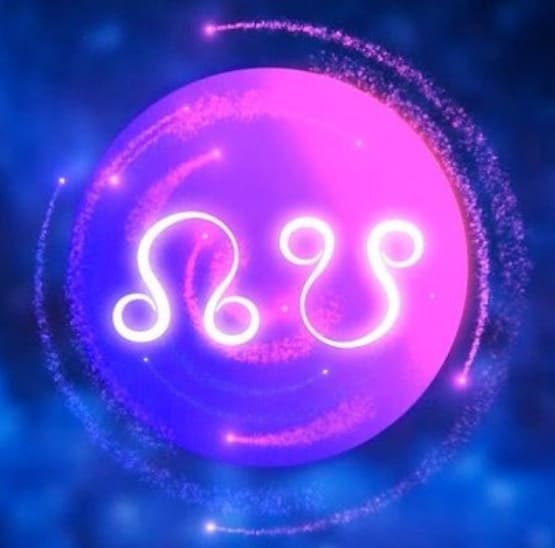
What Does Rahu Represent?
Direct Answer: Rahu represents worldly desire and forward movement — ambition, career growth, foreign opportunities, technology, fame, business, wealth and sudden chances. It pushes a person to try new and unconventional paths.
- Ambition and strong desire to achieve
- Career growth and recognition
- Foreign opportunities and travel
- Technology and innovation
- Fame and public attention
- Business and wealth creation
- Sudden and unexpected opportunities
- Unconventional life experiences
- Media, glamour and modern professions
- Breaking old rules in a positive way
Rahu can strongly support ambition and innovation. However, in certain horoscope combinations it may also create confusion, obsession or unrealistic expectations. That is why Rahu is never judged alone — its house, sign and Dasha decide how it behaves for you.
What Does Ketu Represent?
Direct Answer: Ketu represents the inward journey — spirituality, intuition, research, meditation, deep thinking and detachment. It reduces noise and helps a person understand what truly matters.
- Spirituality and spiritual development
- Intuition and inner wisdom
- Research and deep study
- Meditation and calm thinking
- Deep thinking and analysis
- Detachment from excess desires
- Healing and self-understanding
- Interest in hidden or subtle knowledge
Ketu encourages deeper understanding and can reduce attachment toward certain material areas of life. This is not a loss — in the right chart it brings focus, wisdom and peace of mind.
Rahu vs Ketu — Simple Comparison
Direct Answer: Rahu pulls you toward new desires and the outer world, while Ketu pulls you toward inner peace and letting go. They are two sides of the same axis.
| Rahu | Ketu |
|---|---|
| Desire | Detachment |
| Ambition | Spirituality |
| Material growth | Inner growth |
| New experiences | Past familiarity |
| Attraction | Separation |
| External success | Self-realization |
Why Are Rahu and Ketu Important?
Direct Answer: Astrologers study Rahu and Ketu while analysing career, marriage, relationships, money, foreign chances, education, family, spiritual growth and major life changes — because the Rahu-Ketu axis shows where life speeds up and where it slows down.
Their effects always depend on the complete horoscope, including house placement, zodiac sign, Nakshatra, conjunctions with other planets, planetary aspects, Dasha periods and current transits. A single placement never tells the full story. For a personal reading based on your own chart, see Call the Astrologer or start with a complete Horoscope Writing analysis.
Rahu and Ketu in Different Areas of Life
Career
Rahu may support ambition, technology, foreign companies, business, media and unconventional professions. Ketu may encourage research, analytical work, independent work or spiritually oriented professions.
Marriage and Relationships
Rahu may create strong attraction or unconventional relationship situations, while Ketu may sometimes indicate emotional detachment. Marriage predictions should also consider the 7th house, Venus, Jupiter, Navamsa and Dasha periods — see Marriage Matching.
Money and Finance
Rahu may increase material ambition and interest in financial growth, while Ketu may reduce attachment toward material possessions in certain horoscope combinations. Both must be read with the 2nd and 11th houses and running Dasha.
What Is Rahu Ketu Transit?
Direct Answer: Rahu Ketu transit is the movement of Rahu and Ketu from one zodiac sign to another. They generally remain in one zodiac sign for approximately 18 months and move in a retrograde direction in Vedic astrology.
When they change signs, the areas of life they influence also shift — this event is called Peyarchi. For exact dates, sign changes and sign-wise predictions, see our main guide: Rahu Ketu Transit 2026 — it also covers the upcoming Rahu Ketu transit with detailed Rahu Ketu transit predictions.
How Long Do Rahu and Ketu Stay in One Sign?
Rahu and Ketu stay in a zodiac sign for around 18 months and take approximately 18 years to complete a full zodiac cycle.
Are Rahu and Ketu Always Negative?
Direct Answer: No — Rahu and Ketu are not automatically negative. Their results depend on the entire birth chart, and both can give highly positive outcomes in the right placements.
Rahu may support
- Innovation and new ideas
- Career growth and promotion
- Foreign opportunities
- Technology and business
- Recognition and fame
Ketu may support
- Spirituality and peace
- Research and deep study
- Intuition and insight
- Meditation and focus
- Analytical thinking
Rahu Ketu in a Birth Chart
Direct Answer: To judge Rahu and Ketu correctly, astrologers analyse house placement, zodiac sign, Nakshatra, planetary conjunctions, aspects, Dasha and Bhukti, and current transits — never one factor alone.
Two people with the same zodiac sign may experience Rahu and Ketu very differently, because their complete horoscopes are different. Your Lagna, house positions and running Dasha change the entire result. This is why a personal birth chart analysis matters far more than a general sign prediction.
Rahu Mahadasha and Ketu Mahadasha Periods
Direct Answer: In Vimshottari Dasha, Rahu Mahadasha runs for 18 years and Ketu Mahadasha for 7 years. These are often the most eventful chapters of life — Rahu periods can bring fast career rise, foreign chances or sudden wealth, while Ketu periods can bring spiritual turning points, job changes or detachment phases.
Whether a Mahadasha feels smooth or testing depends on Rahu or Ketu's house, sign, Nakshatra, conjunctions and the Bhukti (sub-period) running inside it. The same Rahu Mahadasha can give one person a breakthrough abroad and another person confusion — only the full chart tells which. To check your current Dasha, book a personal consultation.
Rahu Ketu Dosha, Remedies and Pariharam
Direct Answer: Rahu Ketu Dosha simply means Rahu or Ketu placed in a difficult house or combination — commonly linked with delays in marriage, career blocks or restlessness. It is manageable: traditional remedies and pariharam include Durga and Shiva worship for Rahu, Ganesha worship for Ketu, plus specific mantras, temple visits and donations selected after chart analysis.
Never pick remedies from generic lists — the right pariharam depends on your Lagna, Nakshatra and Dasha. For transit-specific dates and sign-wise remedies, see Rahu Ketu Transit 2026.
Rahu Ketu and Karma
In traditional Vedic astrology, the Rahu-Ketu axis is often interpreted as an important indicator of karmic themes and personal development. Rahu is often connected with new experiences, desire and areas of growth, while Ketu is connected with familiarity, detachment and spiritual development.
Together they describe a life direction — what you are moving toward, and what you are learning to release. Read calmly and practically, this axis becomes a useful map for growth rather than a cause for fear.
Frequently Asked Questions About Rahu Ketu
What is Rahu Ketu in astrology?
Rahu and Ketu are the North and South Lunar Nodes, known as shadow planets. Rahu links with desire and ambition, Ketu with detachment and spirituality. They sit opposite each other and are studied together as the Rahu-Ketu axis.
Are Rahu and Ketu real planets?
No. They are mathematical points where the Moon's path crosses the Sun's path. Vedic astrology still treats them as Chaya Grahas (shadow planets) because they strongly influence a horoscope.
Why are Rahu and Ketu called shadow planets?
They are called shadow planets because they have no physical body. They are the two eclipse points, yet their chart position can strongly shape career, relationships and life direction.
What does Rahu represent?
Rahu represents ambition, desire, career growth, foreign opportunities, technology, fame, business and sudden chances. Well placed, it supports innovation and recognition.
What does Ketu represent?
Ketu represents spirituality, intuition, research, meditation and detachment. It supports inner wisdom and spiritually oriented or analytical paths.
How long does Rahu Ketu transit last?
Rahu and Ketu stay in one zodiac sign for about 18 months and take roughly 18 years to complete all 12 signs, moving in retrograde direction.
How often do Rahu and Ketu change signs?
They change signs roughly every 18 months. This change, called Peyarchi, is read from your Moon sign, Lagna and running Dasha — see Rahu Ketu Transit 2026 for dates.
Are Rahu and Ketu always bad?
No. Rahu can support career and foreign chances, Ketu can support research and spiritual progress. Results always depend on the complete birth chart.
Can Rahu Ketu affect career?
Yes. Rahu may favour ambition, technology and business, while Ketu may favour research or independent work. House placement, sign, Nakshatra and Dasha decide the actual effect.
Can Rahu Ketu affect marriage?
Yes. Rahu may bring strong attraction or unconventional situations, Ketu occasional emotional distance. Always confirm with the 7th house, Venus, Jupiter, Navamsa and Dasha.
What is Rahu Ketu Dosha?
Rahu Ketu Dosha means Rahu or Ketu placed in a difficult house or combination, often linked with marriage delays, career blocks or restlessness. It is manageable with the right remedies selected after a full chart analysis.
What are remedies for Rahu Ketu?
Traditional remedies include Durga and Shiva worship for Rahu, Ganesha worship for Ketu, plus mantras, temple visits and donations. The correct pariharam depends on your Lagna, Nakshatra and Dasha — see Rahu Ketu Transit 2026 for transit remedies.
How long is Rahu Mahadasha and Ketu Mahadasha?
In Vimshottari Dasha, Rahu Mahadasha runs 18 years and Ketu Mahadasha 7 years. Their results depend on house, sign, Nakshatra, conjunctions and the running Bhukti sub-period.
What happens if Rahu is in the 7th house?
Rahu in the 7th house can make marriage and partnerships a major life theme, sometimes bringing unconventional or intense relationship experiences. Final results must be judged with the 7th lord, Venus, Navamsa and Dasha.
Want to Know How Rahu and Ketu Affect Your Horoscope?
Rahu and Ketu give different results as per your Ascendant, Moon sign, house placement, Nakshatra, Dasha and planetary combinations. A complete birth chart analysis gives a more personalised understanding.