
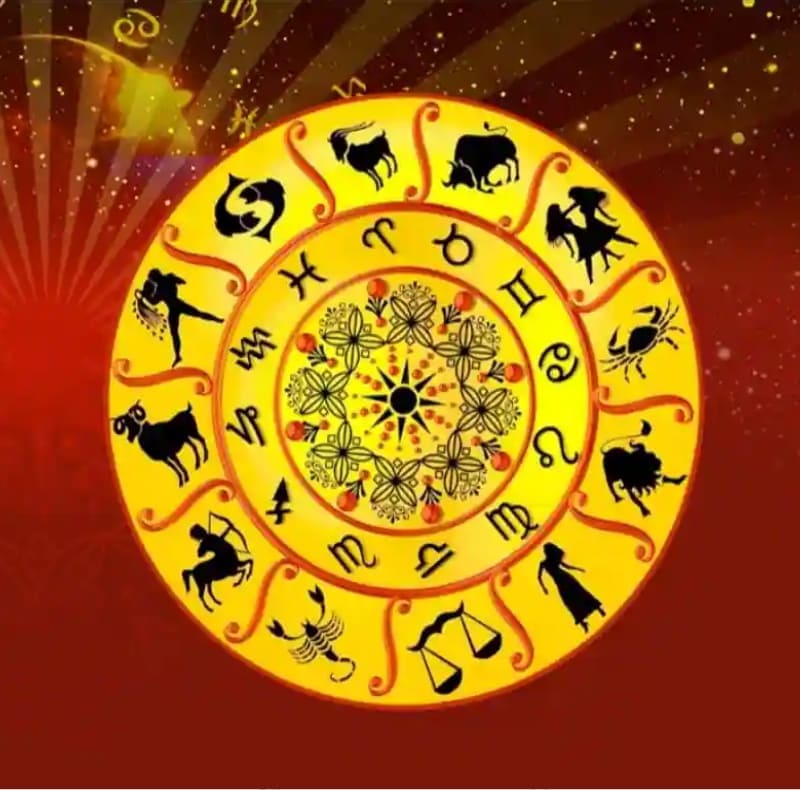
- The 12 houses in Vedic astrology divide the birth chart into life areas such as career (10th), marriage (7th) and income (11th).
- A planetary transit through a house may activate that house's themes — this is the basis of Gochara and transit prediction.
- The same transit gives different results to different people because Lagna, house strength, Dasha and aspects differ in every horoscope.
- Transit alone rarely guarantees an event; it is read with Dasha, house lords and the full birth chart.
What Do the 12 Houses Represent?
Direct Answer: The 12 houses in Vedic astrology divide the birth chart into twelve life areas — from self and family to career, marriage and spirituality. A planetary transit through houses may activate the themes of whichever house the planet is currently moving through in your chart.
1st House – Self, Health and Personality
Represents: Personality, physical body, confidence, life direction.
Transit may highlight: health, confidence, personal decisions, new beginnings.
2nd House – Money, Family and Speech
Represents: Family, savings, speech, financial stability.
Transit may highlight: income, savings, family responsibilities, financial planning.
3rd House – Courage, Communication and Siblings
Represents: Courage, communication, skills, short-distance travel, siblings.
Transit may highlight: new initiatives, communication, skill development, short journeys.
4th House – Home, Property and Emotional Comfort
Represents: Home, mother, property, vehicles, emotional security.
Transit may highlight: property matters, relocation, family life, vehicles.
5th House – Education, Children and Creativity
Represents: Education, intelligence, children, creativity, romance.
Transit may highlight: studies, examinations, children, creative projects, relationships.
6th House – Health, Work and Challenges
Represents: Daily work, health, debts, competition, obstacles.
Transit may highlight: work pressure, health routines, loans, competition, disputes.
7th House – Marriage and Partnerships
Represents: Marriage, relationships, business partnerships, agreements. See Marriage Matching.
Transit may highlight: marriage opportunities, relationship developments, partnerships, contracts.
8th House – Transformation and Sudden Changes
Represents: Transformation, inheritance, hidden matters, research, shared resources.
Transit may highlight: sudden developments, shared finances, inheritance, inner transformation.
9th House – Fortune, Higher Learning and Travel
Represents: Higher education, philosophy, long-distance travel, spiritual learning, fortune.
Transit may highlight: higher studies, foreign travel, mentors, spiritual interests.
10th House – Career and Profession
Represents: Career, status, profession, responsibilities.
Transit may highlight: job changes, promotion, career growth, professional recognition, increased responsibilities.
11th House – Income, Gains and Opportunities
Represents: Income, gains, networking, friends, goals.
Transit may highlight: financial gains, new opportunities, professional networks, achievement of goals.
12th House – Expenses, Foreign Travel and Spirituality
Represents: Expenses, foreign lands, spirituality, isolation, letting go.
Transit may highlight: foreign travel, expenses, spiritual practices, lifestyle changes.
Kendra, Trikona and Dusthana Houses Explained
Direct Answer: Vedic astrology groups the 12 houses into Kendra houses (1st, 4th, 7th, 10th — pillars of action), Trikona houses (1st, 5th, 9th — houses of fortune and dharma) and Dusthana houses (6th, 8th, 12th — houses of challenge). Transits through Kendra and Trikona houses are generally read as more supportive; transits through Dusthana houses are read with extra care.
Kendra Houses — 1, 4, 7, 10
Also called angular houses. They represent action and visible life areas: self, home, partnerships and career. A supportive transit here may bring noticeable, outward developments.
Trikona Houses — 1, 5, 9
Also called trine houses. They relate to fortune, dharma, learning and merit from past actions. Jupiter transits through Trikona houses are traditionally considered especially supportive.
Dusthana Houses — 6, 8, 12
Houses of challenge: competition and health (6th), sudden change (8th), expenses and isolation (12th). Transits here call for patience, routine care and careful planning — not fear.
Note that the 1st house (Lagna) is both a Kendra and a Trikona house, which is why it carries special weight in every transit prediction.
How Planetary Transits Activate Different Houses
Direct Answer: The effect of a transit depends on more than the house alone. How transits affect houses is decided by the full birth chart — the same planet moving through the same numbered house can feel very different for two people.
A complete Gochara houses reading usually examines:
- Lagna or Ascendant
- Moon Sign
- House lord
- Strength of the house
- Natal planetary positions
- Planetary aspects
- Dasha and Bhukti
How long does each transit last? Slow planets shape long chapters; fast planets colour only days or weeks:
| Planet | Approx. Time in One House |
|---|---|
| Saturn | About 2.5 years |
| Jupiter | About 1 year |
| Rahu / Ketu | About 1.5 years |
| Mars | About 45 days |
| Sun, Venus, Mercury | About 1 month |
| Moon | About 2.5 days |
Which Houses Are Important for Major Life Events?
Direct Answer: Career is read mainly from the 10th house (with the 2nd, 6th and 11th), marriage from the 7th house, money from the 2nd and 11th houses, education from the 4th, 5th and 9th, foreign travel from the 3rd, 9th and 12th, property from the 4th, children from the 5th, and health from the 1st and 6th.
Astrologers often look at groups of houses in the birth chart together, since major life areas are rarely governed by a single house.
| Life Area | Important Houses |
|---|---|
| Career | 2nd, 6th, 10th, 11th |
| Marriage | 2nd, 7th, 11th |
| Finance | 2nd, 5th, 9th, 11th |
| Education | 4th, 5th, 9th |
| Foreign Travel | 3rd, 9th, 12th |
| Property | 4th |
| Children | 5th |
| Health | 1st, 6th |
Transit prediction becomes more meaningful when these houses are studied together with Dasha, planetary strength and the overall birth chart. For a full twelve-month view mapped to your houses, see Annual Prediction.
Examples of Planetary Transits Through Houses
Direct Answer: For example, Saturn in the 10th house may emphasise career responsibility, Jupiter in the 7th may highlight relationships, Rahu in the 11th may raise focus on gains and networking, and Ketu in the 12th may turn attention toward spirituality. Each is a tendency, not a guarantee.
These examples show how planetary transit effects are read house by house. Each is a general indication — never a final verdict on its own.
Saturn Transit Through the 10th House
May bring greater attention to career responsibilities, structure and long-term professional development. Read more on Saturn transit / Shani Peyarchi.
Jupiter Transit Through the 7th House
May highlight relationships, marriage opportunities and partnerships depending on the full horoscope. See Jupiter transit / Guru Peyarchi.
Rahu Transit Through the 11th House
May increase focus on ambitions, gains, networking and new opportunities. See our Rahu Ketu transit analysis.
Ketu Transit Through the 12th House
May increase interest in spirituality, introspection or detachment from certain situations — always read with Rahu Ketu transit as a pair.
Why House-Based Transit Prediction Matters
Direct Answer: House-based prediction matters because it maps each transit to the exact area of life it touches in your chart — unlike general Rasi columns that give the same line to everyone with your Moon sign.
General Rasi predictions provide broad guidance, while personalised transit prediction studies exactly which house a planet is moving through in an individual horoscope. That single difference — your houses versus a generic sign column — is what turns a vague forecast into usable timing.
A personalised analysis may include:
- Lagna
- Moon Sign
- Dasha and Bhukti
- House lords
- Saturn Transit
- Jupiter Transit
- Rahu and Ketu Transit
- Planetary aspects
If your birth chart is not yet fully prepared, our Horoscope Writing service builds that foundation first — then a personalised Transit Prediction maps current transits onto your houses.
Frequently Asked Questions About the 12 Houses
What are the 12 houses in Vedic Astrology?
The 12 houses represent different areas of life, including personality, family, communication, home, children, health, marriage, transformation, fortune, career, income and spirituality.
Which house is important for career?
The 10th house is the primary house for career and profession. The 2nd, 6th and 11th houses may also be considered.
Which house represents marriage?
The 7th house is the primary house for marriage and partnerships.
Which house represents money?
The 2nd and 11th houses are important for income, savings and gains. Other houses may also be studied depending on the financial question.
Does a planetary transit through a house guarantee an event?
No. Transit is only one part of prediction. Dasha, house strength, aspects and the overall birth chart should also be considered.
What is the 1st house (Lagna) in Vedic astrology?
The 1st house, or Lagna, represents self, physical body, personality and life direction. It is the starting point of the birth chart — all other houses are counted from it.
Are houses counted from Lagna or the Moon sign?
Houses are counted from the Lagna for a full chart reading, while traditional Gochara is often also checked from the Moon sign. A personalised analysis may consider both.
Which houses are considered challenging?
The 6th, 8th and 12th houses — called dusthana houses — are traditionally linked with challenges like health issues, sudden changes and expenses. Transits through them are read with extra care, alongside Dasha and house strength.
Do all planets affect houses equally?
No. Slow-moving planets — Saturn, Jupiter, Rahu and Ketu — stay longer in each house, so their transits are studied most closely. Faster planets change houses quickly and their effects are usually short-lived.
How can I know which house a planet is transiting for me now?
Your Lagna and current planetary positions must be compared with your birth chart. A personalised Transit Prediction maps Saturn, Jupiter, Rahu and Ketu onto your houses and explains what each activation may mean for you.
What are Kendra houses in Vedic astrology?
Kendra houses are the 1st, 4th, 7th and 10th houses. They are the angular pillars of the chart, connected with self, home, partnerships and career. Planets placed in or transiting Kendra houses often show visible, outward results.
What are Trikona houses in Vedic astrology?
Trikona houses are the 1st, 5th and 9th houses. They relate to fortune, dharma, learning and merit. Transits through Trikona houses — especially Jupiter transits — are traditionally read as supportive periods.
How long does Saturn stay in one house?
Saturn spends about 2.5 years in each house, which is why Saturn transits shape long chapters of responsibility, discipline and restructuring. Jupiter spends about a year per house, and Rahu-Ketu about 1.5 years.
Which houses give good results for Jupiter transit?
Jupiter transits through Kendra (1st, 4th, 7th, 10th) and Trikona (1st, 5th, 9th) houses are traditionally considered favourable. Even so, the result depends on Jupiter's natal position, aspects, house strength and the running Dasha.